Protein Calculator for Weight Loss
With Calorie & Macro Recommendations
How to Use the Calculator
Most calorie calculators will ask you for your age, height, and sex to get a rough idea of your leanness and muscularity. It feels really nice and personalized… but your height, age, and sex don't actually affect very much. Your protein needs are almost entirely determined by how lean and muscular you are.
So, this calculator asks for your weight and body fat percentage, allowing us to give you far more accurate protein, calorie, and macro recommendations.
Protein Requirements
The protein part of the calculator is very simple. If you're trying to maintain (or gain!) muscle while losing weight, you need around 2 grams of protein per kilogram of body weight. If you weigh 100 kilos, that's 200 grams of protein per day.
If you know your body fat percentage, we can do even better. Your body fat doesn't use protein, and if there's enough of it, your body will happily burn it for energy. That means that the fatter you are, the less protein you need to eat.
When you're lean, more of your weight comes from muscle, which needs protein to maintain itself (or grow!). And if you don't have much body fat, your body might hesitate to burn what little you have left. That means the leaner you are, the more protein you need to eat (study).
Body Fat Percentage
If you know your weight and have a rough idea of your body fat percentage, we can estimate how lean and muscular you are. This allows us to calculate your resting metabolic rate more accurately (using the Cunningham Equation).
If you're relatively lean, here's how to visually estimate your body fat percentage:
- 10% body fat: chiselled abs.
- 12% body fat: faintly visible abs.
- 15% body fat: flat stomach, maybe some upper abs.
- 20% body fat: flat stomach, maybe some love handles.
If you're over 20% body fat or don't want to guess, you could use this Navy body fat calculator. It will estimate your body fat percentage using your height, weight, waist circumference, and neck circumference. It's accurate to within a few percentage points, making it far more accurate than the BIA bathroom scales most people use.
If you're over 20% body fat, though, it's perfectly fine to leave that section blank. Knowing your body fat percentage is more important when you're very lean (because your protein recommendations will skyrocket).
Activity Levels
Once we have a rough idea of your body composition, we can factor in your activity level (using an activity multiplier).
- Sedentary: You spend almost all day sitting. This is common among desk workers, students, and people who write articles about how to lose weight. You should try to bump up into the next category if possible.
- Somewhat active: You spend most of your day sitting, but you also spend an hour or two walking around. Maybe you have kids or a dog. Your daily step count might be 5,000–10,000. This is a healthy amount of physical activity, and it's great for losing weight.
- Very active: You spend most of the day on your feet. Think manual labourers, personal trainers, athletes, and nurses. Your daily step count is probably well over 10,000. This is fantastic, but you don't need to force it.
Workouts Per Week
Any type of exercise counts, whether you're doing cardio or lifting weights. Cardio burns more calories, but lifting weights can still burn upwards of 300 calories per hour, especially if you're doing big compound exercises. We need to factor that in.
You can count any workout that challenges you. Don't count warm-ups, stretching, yoga, or walking the dog. Do count lifting weights, brisk walking, jogging, rucking, cycling, and other forms of cardio. Playing sports counts, too.
If the workout is half an hour or less, only count it if it's very intense. For example, 15 minutes of high-intensity interval training (HIIT) would count as a workout, whereas a 30-minute walk every morning wouldn't. (That's part of an active lifestyle.)

•Work out from home or at the gym
•Fully customizable
Weight Loss
If you're trying to lose weight, we need to get you into a calorie deficit. That means removing calories from your diet until you're burning more energy than you're eating.
Here are your options:
- Classic weight loss (-500 calories) is when you eat in a moderate calorie deficit to lose about a pound per week. This makes for a great default for most people. You'll burn fat quickly, there's little risk of losing muscle, and you don't need to track calories (unless you want to).
- Slow weight loss (-250 calories) is when you eat in a small calorie deficit to lose about 0.5 pounds per week. Losing weight more slowly makes it easier to control your cravings and maintain your muscle mass, but the margin of error is small, so you'll probably need to track your calories.
- Aggressive weight loss (-1,000 calories) is when you eat in a huge calorie deficit to burn as many as two pounds per week. This works best for people with plenty of fat to lose. Otherwise, there's a risk of losing muscle mass and sanity. If eating so few calories starts to feel unsustainable, you can slow it down, gearing into a classic or even slow cut.
Note that when you first start losing weight, you'll lose some fluid, gut contents, and glycogen. That can make you lose an extra 1–4 pounds during the first week. Don't worry about that. Ride it out.
Macronutrients
The macro recommendations are the minimum amount of each macronutrient you need to maintain your health and muscle mass. You might have some extra calories left over, which you can spend however you like. Most people like to spend them on carbs and fat.
The protein requirement seems unreasonably high and difficult to reach, but if you don't eat enough protein while losing weight, you risk losing muscle mass. I recommend filling sources like chicken breast, white fish, extra-lean ground meat, tofu, nuts, seeds, and dairy, but protein shakes can help in a pinch (especially for vegans). You can have up to three protein shakes per day without any known negative impact on your health.
Carbs improve workout performance, energy levels, and muscle growth (as explained here). They're great. But some people prefer losing weight on low-carb or ketogenic diets. That's perfectly fine. I recommend getting most of your carbs from filling, fibrous sources like fruits, vegetables, whole grains (like oats), beans, onions, garlic, peppers, bell peppers, frozen berries, brown or wild rice, potatoes, and so on.
A good rule of thumb is to eat at least ten grams of fibre per thousand calories. For example, if you're losing weight while eating 2,000 calories, aim for at least 20 grams of fibre. You can eat much more than that, though. It's great for your health and digestion, and it will keep you feeling full for longer. I usually eat 50+ grams per day.
Fat is a valuable source of fat-soluble nutrients, and it's important for your hormone production. Fortunately, the minimum fat target is low, so it should be easy to hit. You might find it easier to get fewer calories from oils and more from nuts, seeds, avocados, and dairy.
In rare cases, you might not have enough calories to eat enough macronutrients. That's not great. It might be worth trying to increase your metabolism by being more active, building more muscle, or taking a break from losing weirght. But if you need to, you can eat fewer carbs.
If You Aren't Losing Weight
This calorie calculator should do a pretty good job of estimating how many calories you need to eat to get into a calorie deficit, but it isn't perfect, and your metabolism might fight back.
I've written a full article here, but here's the quick of it:
- There's a genetic component to metabolism. You might burn more or fewer calories than the average person.
- Your metabolism might be adaptive. Most people adapt to how many calories they're eating. If you eat fewer calories, your body will adapt to burn fewer calories. It does this by reducing subconscious activity levels. For example, you may start leaning instead of standing, sitting instead of leaning, lounging instead of sitting, and lying instead of lounging. Those subtle changes can save you hundreds of calories per day, cancelling out your calorie deficit.
- You might be underestimating how many calories you're eating. Nutrition labels aren't perfectly accurate. Cooking with a bit of extra oil can add hundreds of extra calories. Maybe your serving sizes are slightly too big.
The solution is miserable: you need to eat even fewer calories. Try removing another 200. I'm so sorry.
A Slowing Metabolism
All a calorie calculator can do is give you a reasonable starting point. You aren't supposed to stick with the recommendation forever, just for the first week or two.
Muscle burns around 6 calories per day at rest. Fat burns around 2. That doesn't sound like much, but you also burn quite a few calories carrying that weight around (study). That means you'll need to eat around 10 fewer calories for every pound you lose (explanation).
Your metabolism can also adapt (study). As you get used to eating fewer calories, your body will probably try to burn fewer calories. It's sort of like how if you get a pay cut at work, you might adjust your budget so that you don't burn through your savings account. In this case, your body fat is your savings account.
Weigh yourself on the scale every week (or use a weekly average weight). If a week goes by and you haven’t lost weight, it might just be a fluctuation, so hold steady for another week. If your weight stays the same for a second week, remove 200 calories.
Keep weighing yourself and adjusting. That's the only way to guarantee continued progress. It gets harder as you get deeper into your cut, but it doesn't last forever.
One of the best ways to prevent your metabolism from slowing down while losing weight is to build muscle. Lift weights, stimulate muscle growth, and try to build muscle while you lose weight.
Tracking Calories
You don't need to track your calories to lose weight. Instead, you could eat similarly sized meals at similar times every day, getting into a consistent rhythm. When your weight loss stalls, make those meals a little smaller, remove a snack, or spend some extra time walking.
But tracking your calories can definitely help. I did it during my biggest bout of weight loss, and it taught me a tremendous amount about my eating habits (and about nutrition in general). I think everyone should try it at least once.
If you want to try tracking your calories, we're affiliated with Macrofactor. It's hands down the best calorie tracker:
- It's great for losing fat, but it also prioritizes muscle and health.
- It automatically adjusts your calorie targets based on how quickly you're losing weight.
- It uses a verified food database, making it far more accurate than cheap trackers.
- It will give you recommendations that line up with ours.
We've used it ourselves and with hundreds of clients over several years. It's fantastic, and it's constantly getting better. We have a full review here.
You can get an extended free trial with the code "b2b". Try the app and see if you like it. Not everyone does. It's a lot of work, especially during the first few days. Get through those first few days and then decide if you want to continue.
When You Finish Losing Weight
As you get deeper into your cut, your metabolism will shrink ever smaller, and your hunger will grow terrifyingly large. Thankfully, all of this is temporary. When you stop losing weight, you can go back to eating a more normal amount of food.
Keep working out, eating a good diet, and living a healthy lifestyle, but start listening to your appetite again and eating only as much as you want. You’ll gain a little weight, but hopefully most of it will be muscle and glycogen. Your metabolism will speed back up again, and you’ll be back to eating an intuitive, comfortable amount of food. (You might even achieve a bit of body recomposition.)
Another option is to gear into a bulk, intentionally eating in a calorie deficit to burn fat faster. We have a bulking guide, a lean bulking guide, and a bulking calorie calculator.
Transformation Programs
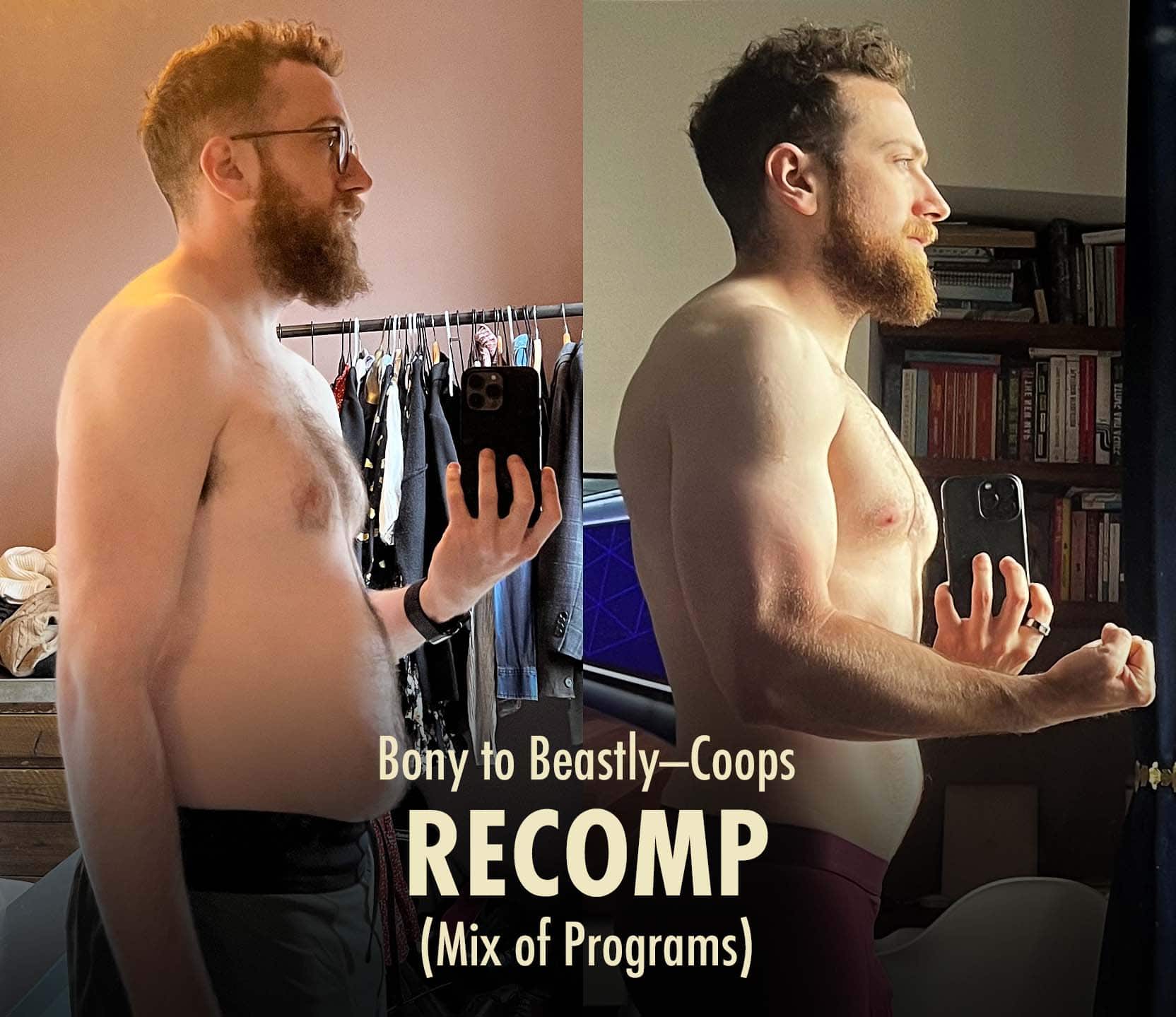
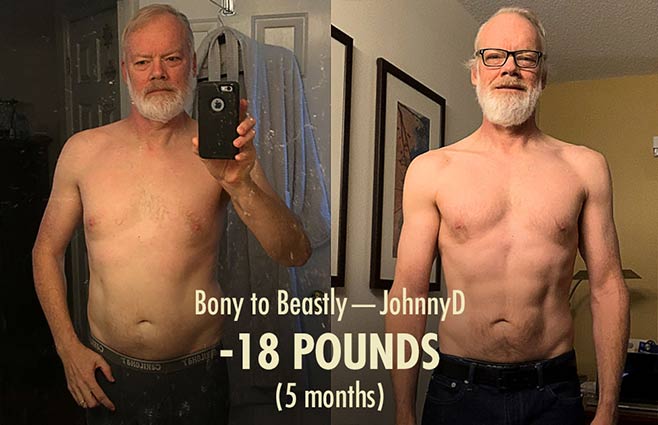
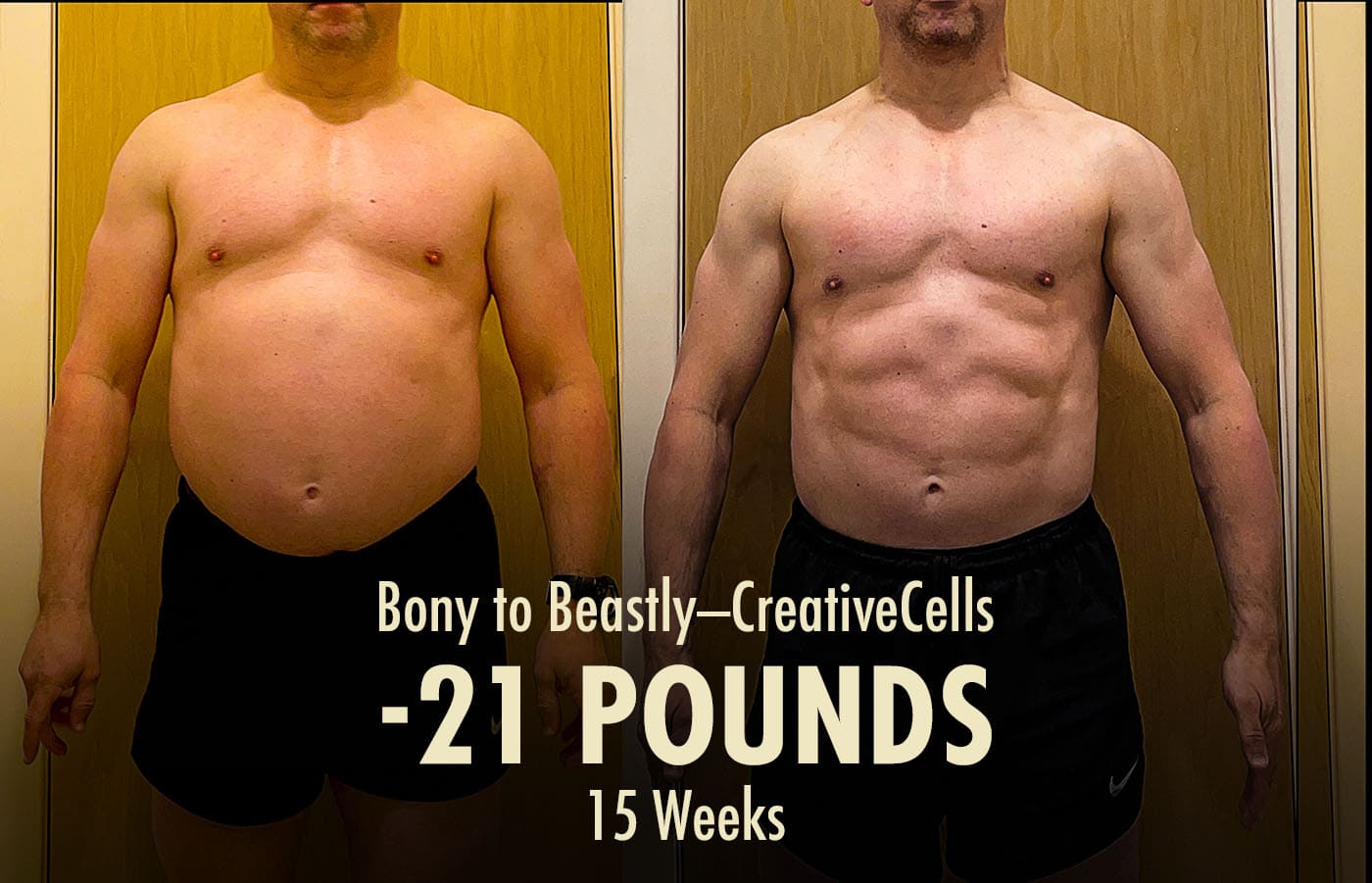
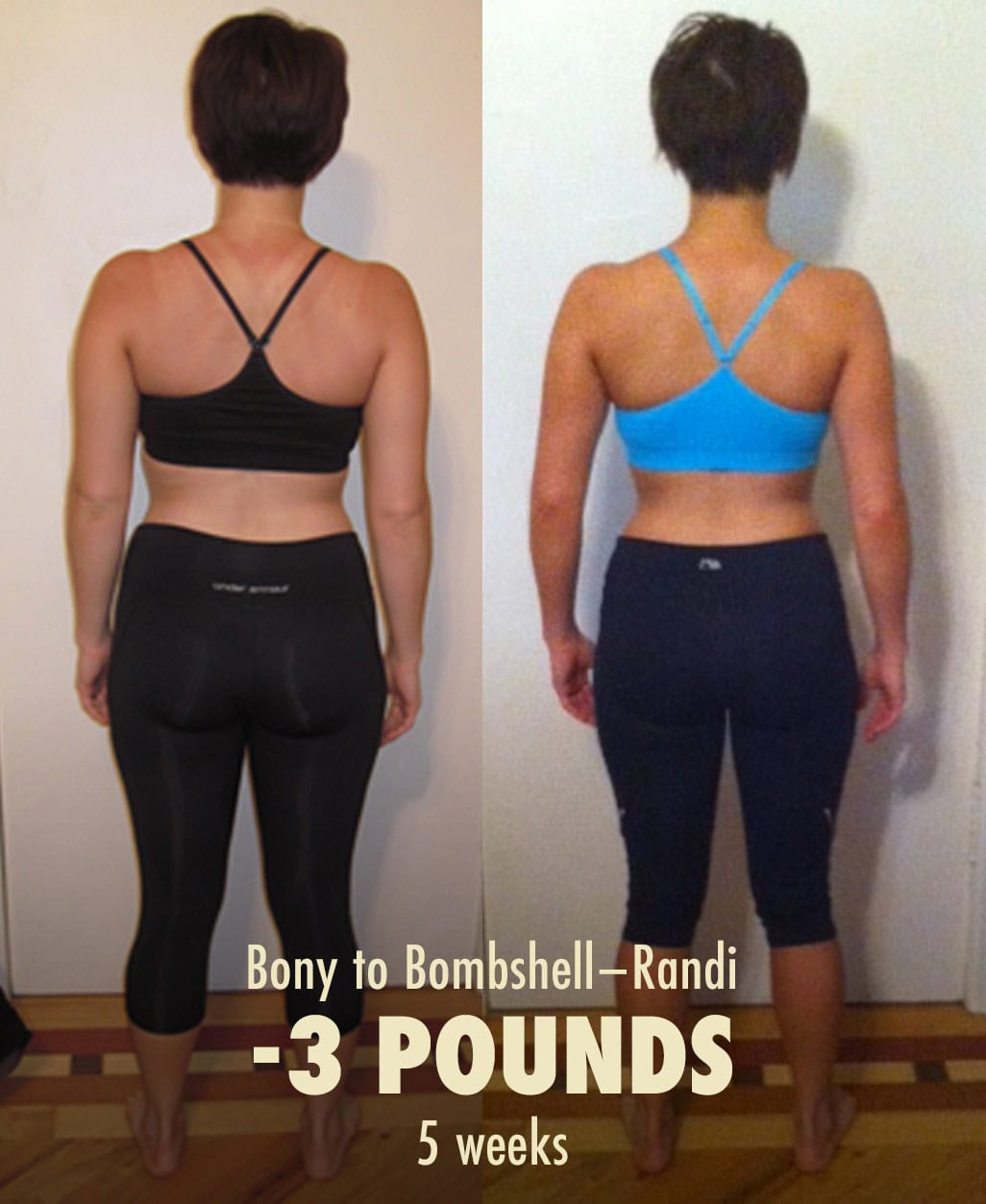
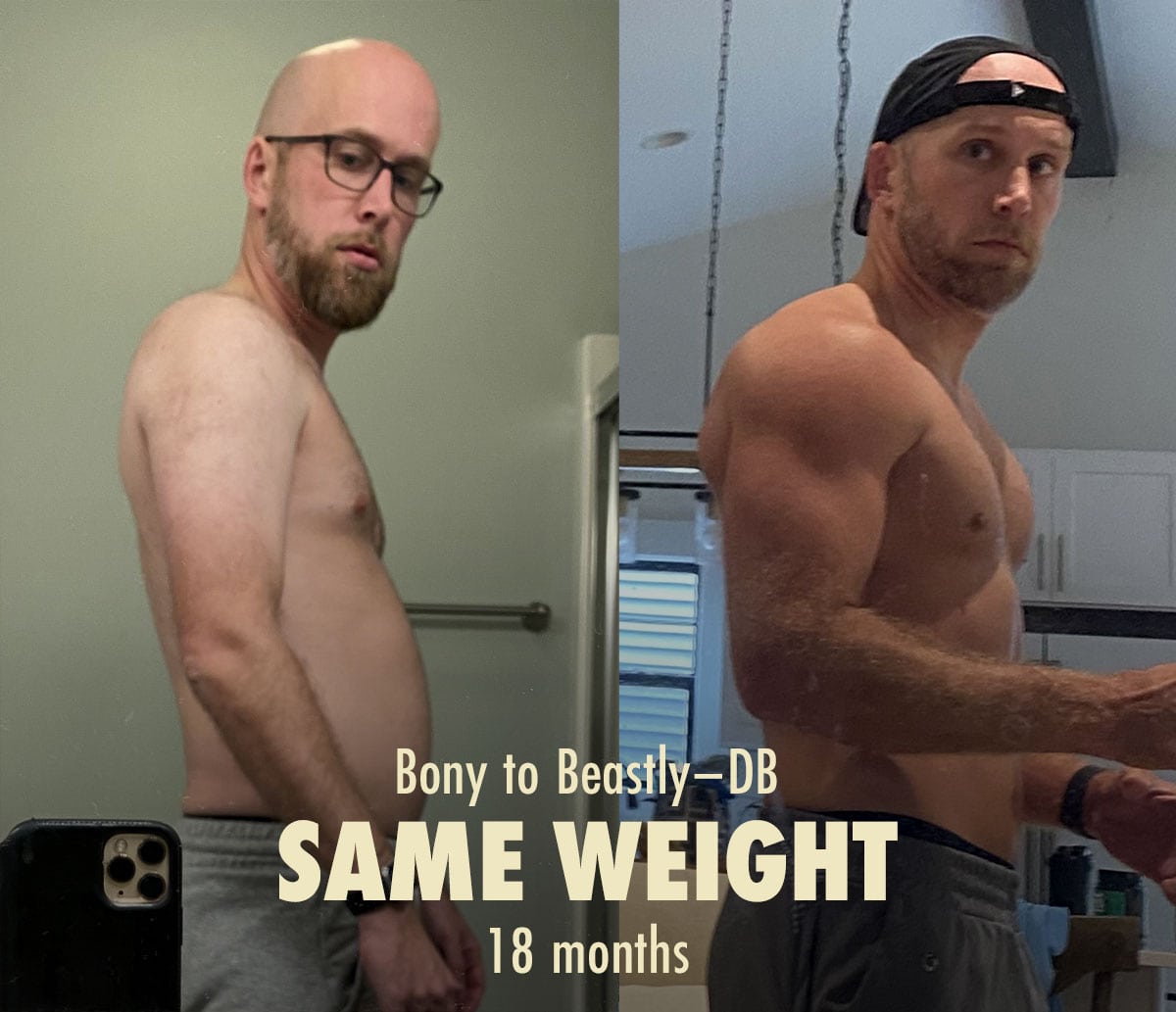
If you want a beginner muscle-building program, including a 5-month workout routine, a diet guide, a recipe book, and online coaching, check out our Bony to Beastly Program (for men) or our Bony to Bombshell Program (for women). The emphasis is on building muscle, but part of that is teaching you how to build muscle while losing weight.
If you already know how to lift weights, I recommend our Legends Program. It comes with a full weight-loss guide, sample diet plans, our lean muscle-building recipe book, a lifting workout program, a cardio guide, and personal advice and feedback from us.